





Can I use an off grid inverter charger with lithium batteries?
- 1. What are the key factors to consider when selecting an off-grid inverter charger for lithium batteries?
- 2. Are there specific off-grid inverter chargers designed exclusively for lithium battery use?
- 3. What are the potential risks of using an off-grid inverter charger not designed for lithium batteries?
- 4. How do I configure my off-grid inverter charger to work with lithium batteries?
- 5. Can I use an off-grid inverter charger with lithium batteries in cold environments?
- 6. How do I ensure the off-grid inverter charger and lithium batteries are compatible?
1. What are the key factors to consider when selecting an off-grid inverter charger for lithium batteries?
When choosing an off-grid inverter charger compatible with lithium batteries, consider the following factors:
Voltage Compatibility: Ensure the inverter's voltage matches the lithium battery's nominal voltage (e.g., 48V). ((https://www.csinverter.com/guides/off-grid-solar-inverters-lithium-battery-compatibility/))
Communication Protocols: Verify that the inverter supports the communication protocol used by the battery's Battery Management System (BMS), such as CAN or RS485. ((https://www.csinverter.com/guides/off-grid-solar-inverters-lithium-battery-compatibility/))
Charging Profiles: Confirm that the inverter can be configured with charging profiles suitable for lithium batteries, including appropriate absorption and float voltages. ((https://www.csinverter.com/guides/off-grid-solar-inverters-lithium-battery-compatibility/))
Surge Capacity: Assess the inverter's surge capacity to handle brief power spikes, which is crucial for starting appliances with high inrush currents.
Pure Sine Wave Output: Opt for inverters that provide pure sine wave output to ensure compatibility with sensitive electronics and to prevent potential damage.
2. Are there specific off-grid inverter chargers designed exclusively for lithium battery use?
Yes, some off-grid inverter chargers are specifically designed for lithium batteries, featuring built-in charging profiles and communication protocols tailored for lithium technology. For instance, certain models from Growatt and Schneider Electric offer seamless integration with lithium batteries. ((https://www.csinverter.com/guides/off-grid-solar-inverters-lithium-battery-compatibility/))
3. What are the potential risks of using an off-grid inverter charger not designed for lithium batteries?
Using an incompatible inverter charger can lead to:
Overcharging or Undercharging: Lithium batteries require precise charging voltages; incorrect settings can damage the battery. ((https://www.csinverter.com/guides/off-grid-solar-inverters-lithium-battery-compatibility/))
Reduced Battery Lifespan: Improper charging can shorten the battery's operational life. ((https://www.csinverter.com/guides/off-grid-solar-inverters-lithium-battery-compatibility/))
Safety Hazards: Overcharging or deep discharging can pose safety risks, including thermal runaway. ((https://www.csinverter.com/guides/off-grid-solar-inverters-lithium-battery-compatibility/))
4. How do I configure my off-grid inverter charger to work with lithium batteries?
Configuration steps include:
Set Battery Type: Access the inverter's settings to select 'Lithium' as the battery type. ((https://www.csinverter.com/guides/off-grid-solar-inverters-lithium-battery-compatibility/))
Adjust Charging Parameters: Set the absorption voltage within the recommended range for lithium batteries (e.g., 14.2–14.6V for 12V systems) and disable equalization stages to prevent overcharging. ((https://www.csinverter.com/guides/off-grid-solar-inverters-lithium-battery-compatibility/))
Set Low-Voltage Cutoff: Configure the low-voltage cutoff to protect the battery from deep discharge, typically around 10.5–11.5V for 12V systems. ((https://www.csinverter.com/guides/off-grid-solar-inverters-lithium-battery-compatibility/))
Enable Communication: If available, enable communication between the inverter and the battery's BMS to allow for real-time monitoring and management. ((https://www.csinverter.com/guides/off-grid-solar-inverters-lithium-battery-compatibility/))
5. Can I use an off-grid inverter charger with lithium batteries in cold environments?
Most lithium batteries cannot be charged below 0°C (32°F) without internal heating. If your system is in a cold environment, choose a battery with a built-in self-heater, or ensure the off-grid inverter charger has low-temperature cutoff protection to prevent charging below safe temperatures.
6. How do I ensure the off-grid inverter charger and lithium batteries are compatible?
To ensure compatibility:
Consult Manufacturer Specifications: Review the technical specifications of both the inverter charger and the lithium batteries to confirm voltage, communication protocols, and charging parameters align. ((https://www.csinverter.com/guides/off-grid-solar-inverters-lithium-battery-compatibility/))
Seek Professional Advice: Engage with a professional installer or system designer to verify compatibility and optimal configuration. ((https://www.csinverter.com/guides/off-grid-solar-inverters-lithium-battery-compatibility/))
Conduct System Testing: After installation, perform thorough testing to ensure the system operates as intended, with all components functioning harmoniously. ((https://www.csinverter.com/guides/off-grid-solar-inverters-lithium-battery-compatibility/))
In conclusion, selecting a compatible off-grid inverter charger for lithium batteries is crucial for system efficiency, battery longevity, and safety. By considering voltage compatibility, communication protocols, charging profiles, surge capacity, and pure sine wave output, you can ensure a reliable and effective off-grid power solution. For personalized assistance and to receive a quote tailored to your specific needs, please contact us at info@csinverter.com.


Modified Sine Wave Inverters
Does it have protection features?
Yes, it includes overload, overheat, and short-circuit protection.
What is the working principle of the UPS function?
When the external power supply is normal, the inverter powers the device and charges the battery; when the external power supply is interrupted, it automatically switches to battery power to ensure uninterrupted operation of the device.
Can this inverter support both 12V and 24V inputs
Yes, it can work with different voltage systems via selectable input terminals.
Is the cooling fan noisy?
The fan is designed for heat dissipation and will make some noise during operation, but it is within a reasonable range and will not interfere with normal use.
Pure Sine Wave Inverters
Can it run inductive loads like fridges or tools?
Yes, pure sine wave output supports all load types.
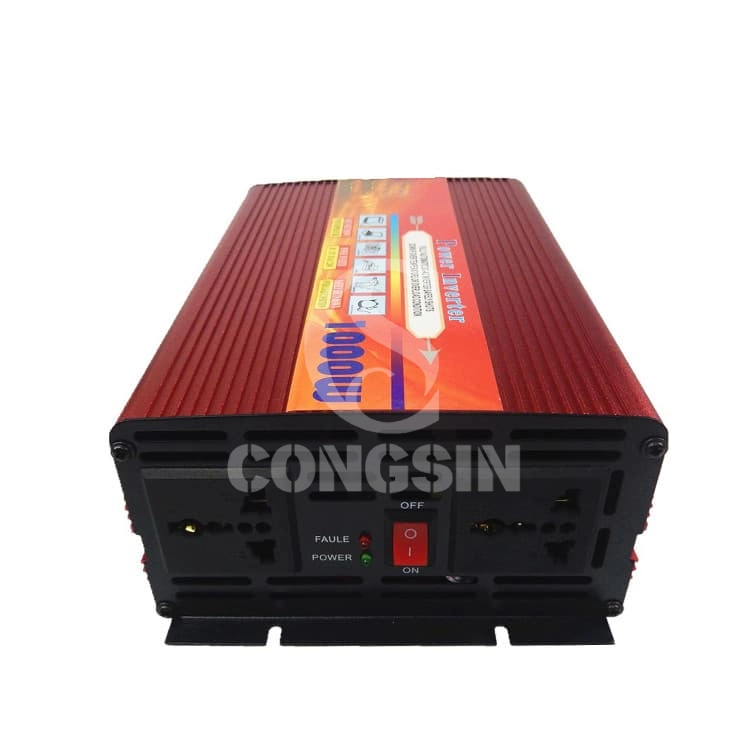
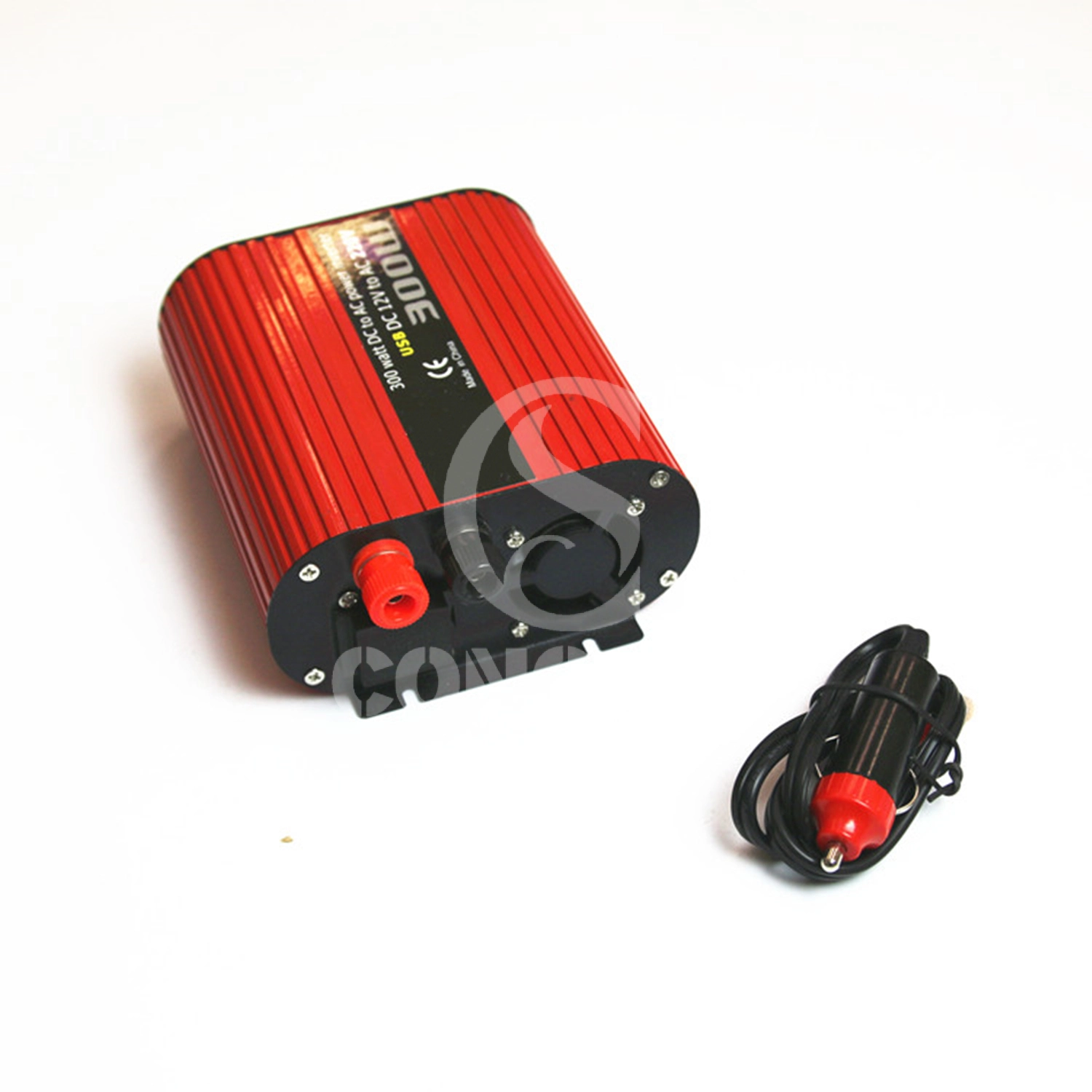
Congsin's Portable 150W Modified Sine Wave Inverter powers your journey! This versatile Car Power Inverter with USB acts as a reliable 12V to 220V converter, ensuring an essential off-grid power supply. With dual USB ports and a universal socket, enjoy convenient power on the go.
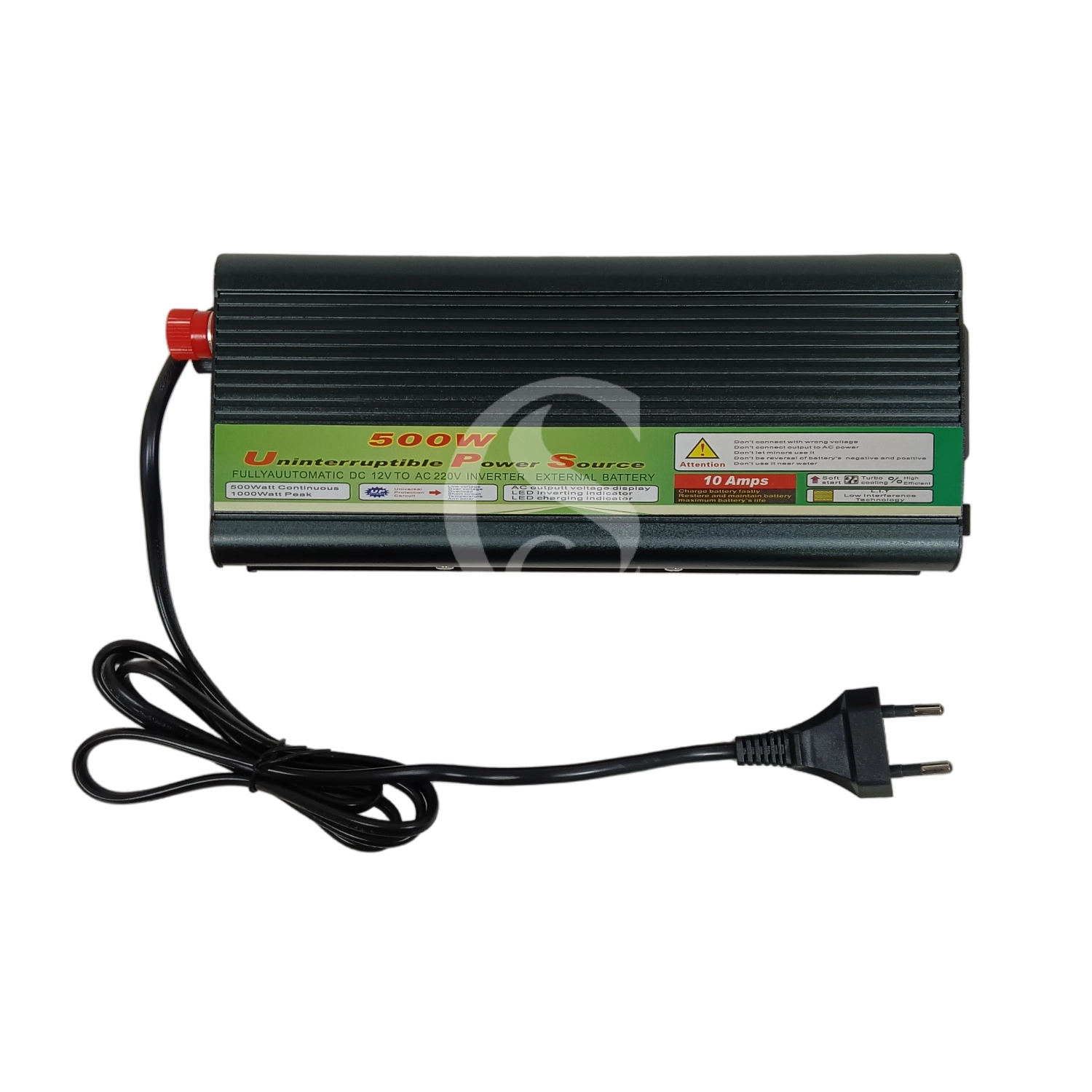
Congsin 500W 12V to 220V inverter delivers reliable off-grid power with its modified sine wave design. This portable 500W DC to AC power inverter efficiently converts 12V DC to 220V AC, ideal for outdoor and emergency use. Trust Congsin for stable, portable energy solutions.
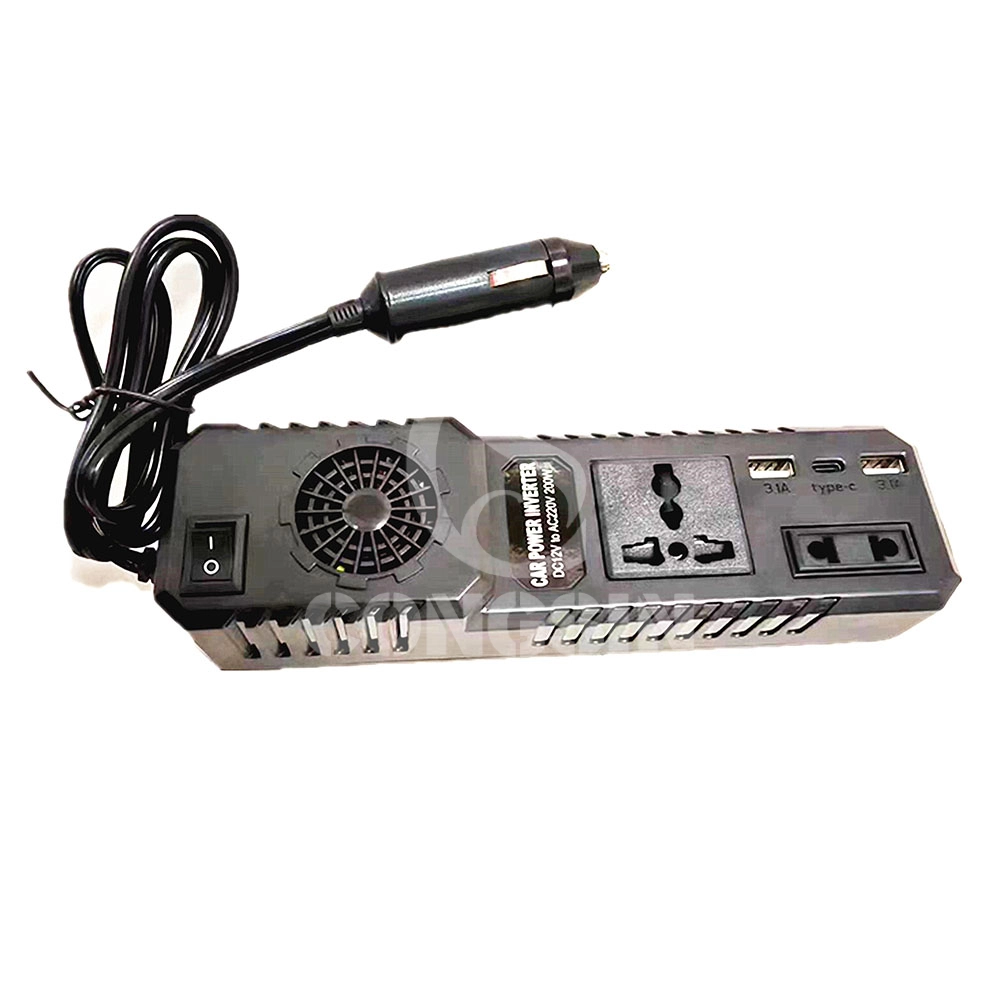
This 200W Modified Sine Wave Car Power Inverter is a compact and practical power conversion device designed for vehicle use. It supports dual input (DC12V/24V) and outputs AC220V, compatible with various electronic devices. Equipped with a Type-C port and dual 3.1A USB outputs, it can charge laptops, phones, cameras, drones, and other small electronics simultaneously—perfect for outdoor travel, emergency backup, and mobile work scenarios.
Get in Touch with Our Team
You can also communicate with us directly through our online contact form. Please fill in the following information, and our team will contact you as soon as possible after receiving your message.

CONGSIN is a trusted OEM factory for power inverters, solar charge controllers, and DC converters. Reliable solutions for global B2B buyers.
 High Quality
 7/24 Service
 Guaranteed Warranty
© 2025 Congsin. All Rights Reserved.
 WeChat
 Scan QR Code
sin cong
teaimei10
Whatsapp: +8618028086791
Scan QR Code